

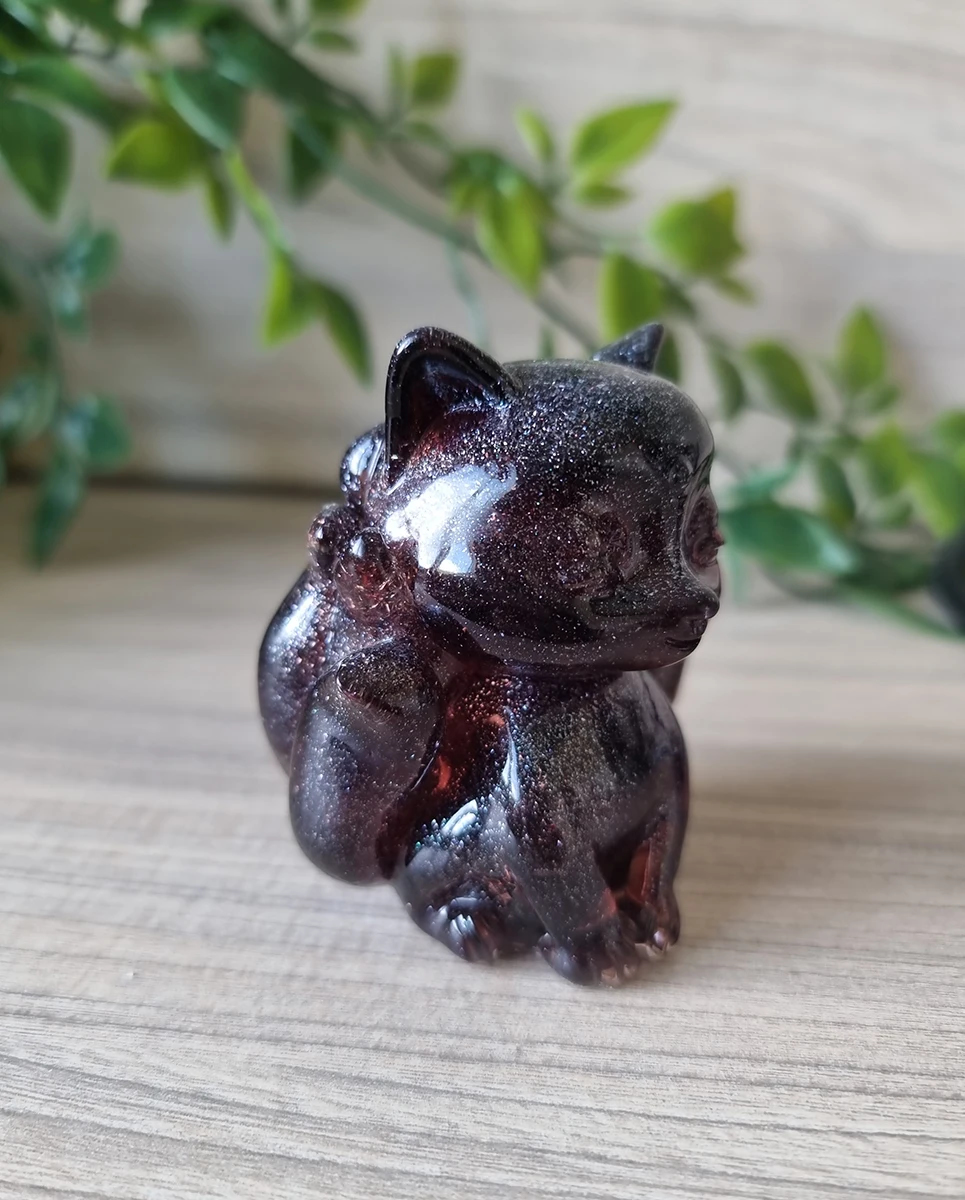

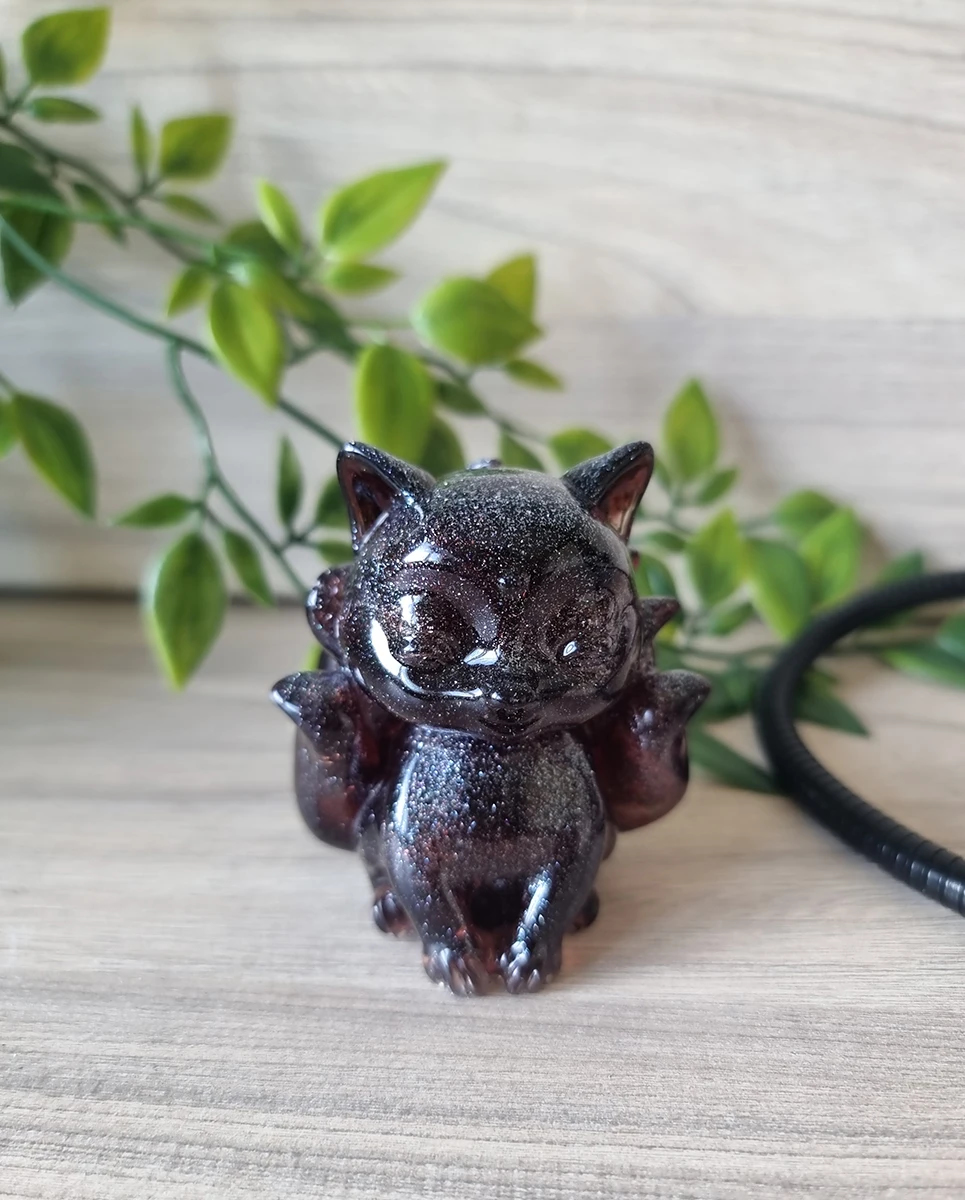



Nine Tail Fox Semi-Translucent Fine Silver Glitter Dark Amber Resin Figurine
NZD $11.99
[yith_wcwl_add_to_wishlist]
1 in stock
Size: 7cm x 6cm x 5cm
A nine-tailed fox, known as Kitsune in Japan, Kumiho in Korea, and Huli Jing in China, is a legendary fox spirit known for its magical abilities and wisdom. It can shape-shift, often taking the form of a beautiful woman, and its nine tails signify great power and age. Depending on the culture, these foxes can be protective and benevolent or mischievous and dangerous, symbolizing both beauty and danger. Perfect for fans of folklore and mystical creatures!
Handmade in Hawkes Bay, New Zealand.
♥ Perfectly Imperfect ♥
All items are hand finished & resin is an unpredictable material that at times may contains slight imperfections including micro air bubbles.
Please care for your items, I enjoy the creative process & hope you appreciate the time & effort that goes into each & every piece.
Customizing Jewellery Findings
Earrings
If you would like to change out stud dangle earrings to standard hooks instead drop a note at checkout and we can change those for you.
Necklace / Pendants
If you want to change out the chain or cord or even the length just drop a note at checkout and we can make that happen.
Care Instructions
Resin Jewellery Care Instructions
Remove before entering water.
Do not use harsh chemicals.
Remove when sleeping.
Clean with mild soap and water.
Don't leave in extreme heat or direct sunlight. Resin may amber over time.
Shipping
Usually posted within 3 business days from purchase. Excluding Made To Order / Back Order items which can take 2 - 3 weeks.
Be the first to review “Nine Tail Fox Semi-Translucent Fine Silver Glitter Dark Amber Resin Figurine”
Related products
Sale!
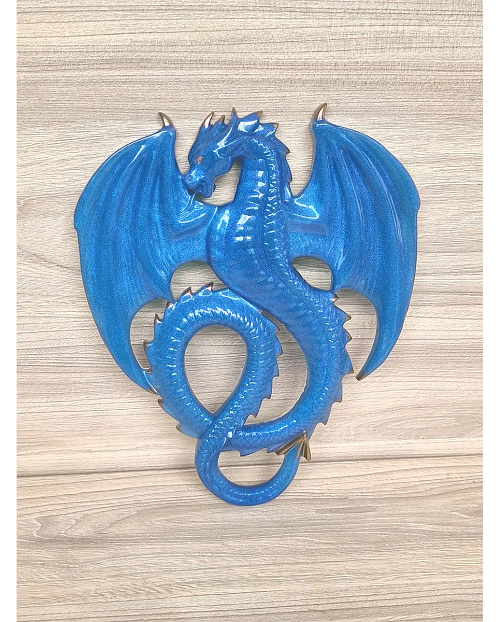
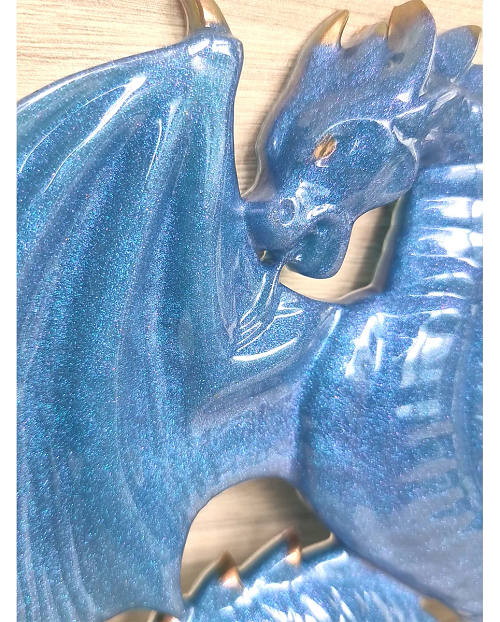
Original price was: NZD $29.99.NZD $28.00Current price is: NZD $28.00.
Sale!

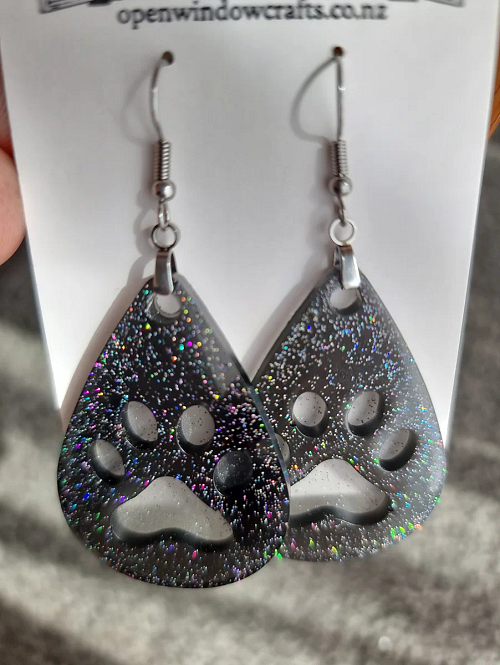
Original price was: NZD $7.99.NZD $4.00Current price is: NZD $4.00.
Sale!
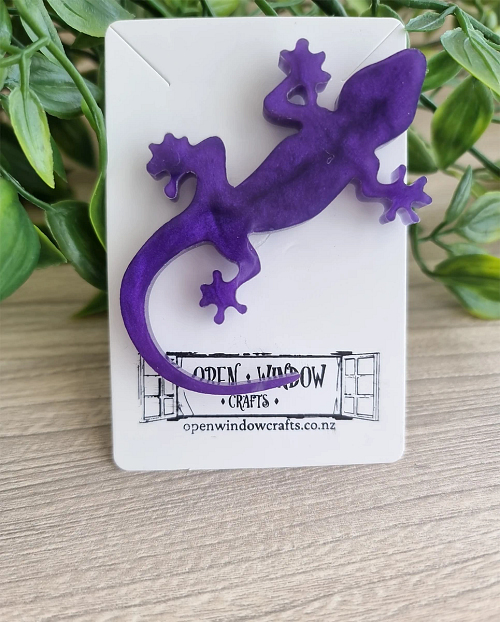
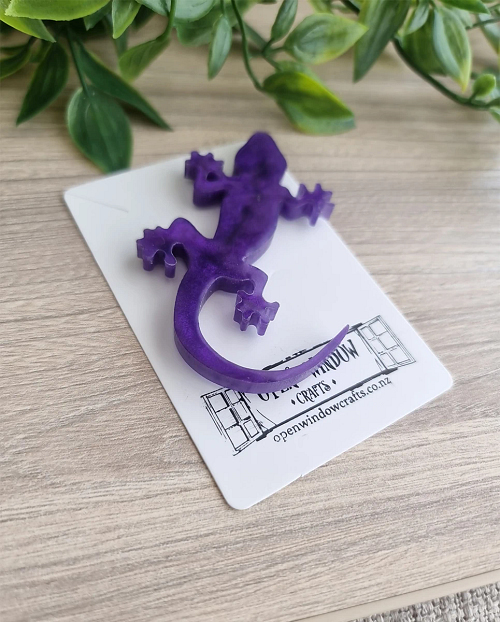
Original price was: NZD $6.99.NZD $3.00Current price is: NZD $3.00.
Sale!
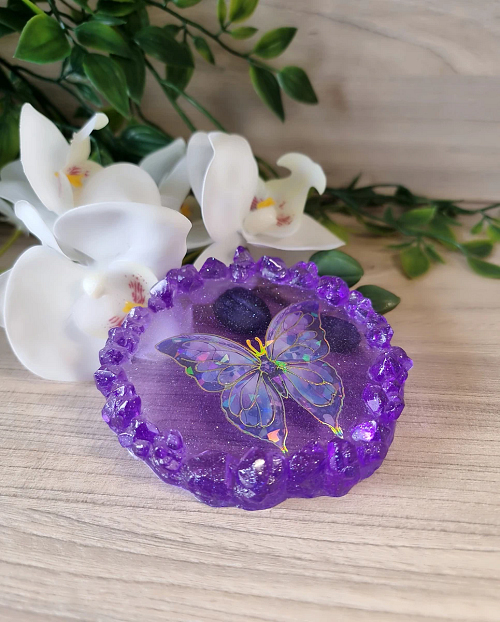
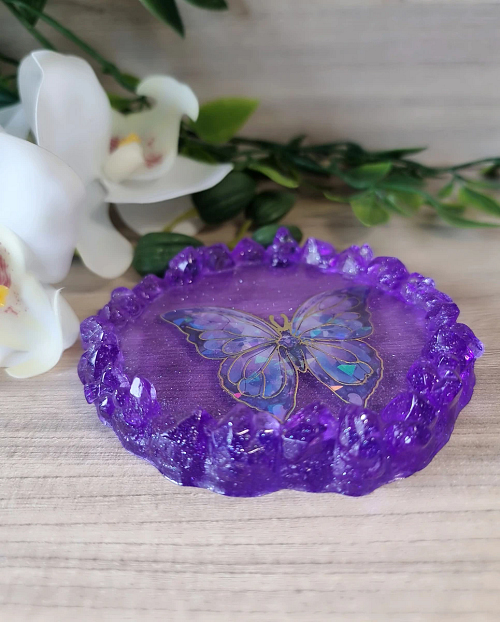
Original price was: NZD $13.00.NZD $7.00Current price is: NZD $7.00.
Sale!


Out of stock
Original price was: NZD $7.99.NZD $5.00Current price is: NZD $5.00.
Sale!
Out of stock
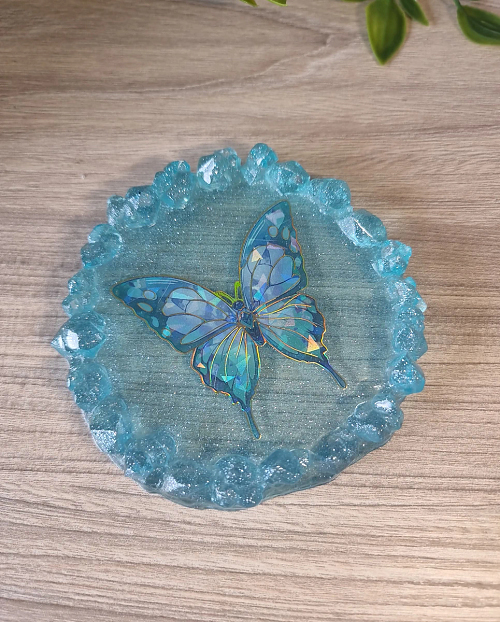
Original price was: NZD $13.00.NZD $7.00Current price is: NZD $7.00.
Out of stock
Sale!

Original price was: NZD $6.99.NZD $3.00Current price is: NZD $3.00.
Reviews
There are no reviews yet.